
Growing the shop
The money sitting in your declined work
Every “not today” is a future job, if someone remembers to ask. Most shops don't. Here's a simple way to win it back.
September 29, 2026 · 6 min read

Customers decline work for good reasons: timing, budget, a second opinion, a car they're thinking of selling. It doesn't mean no. It usually means not now. The trouble is that “not now” turns into “never” because nobody follows up, and six months later the customer gets those brakes done somewhere else.
Declined work is the easiest revenue a shop has. You've already inspected the car, found the problem, taken the photos and priced the job. The customer already trusts you enough to have let you look. All that's missing is a reminder at the right time.
Know what it's worth
Start by adding up the declined jobs from the last six months. Most shops have never looked at this number, because it's scattered across old repair orders and paper inspection sheets.
Here's a simple example of how it adds up. If your shop writes 12 estimates a day and each one has one declined job averaging $300, that's $3,600 of declined work a day, or roughly $18,000 in a five-day week. You won't win all of it back, and you shouldn't try to. But if a steady follow-up habit brings back even a small share, that's real money for about an hour of work a week. Run the numbers with your own averages. They'll be different, but they're rarely small.
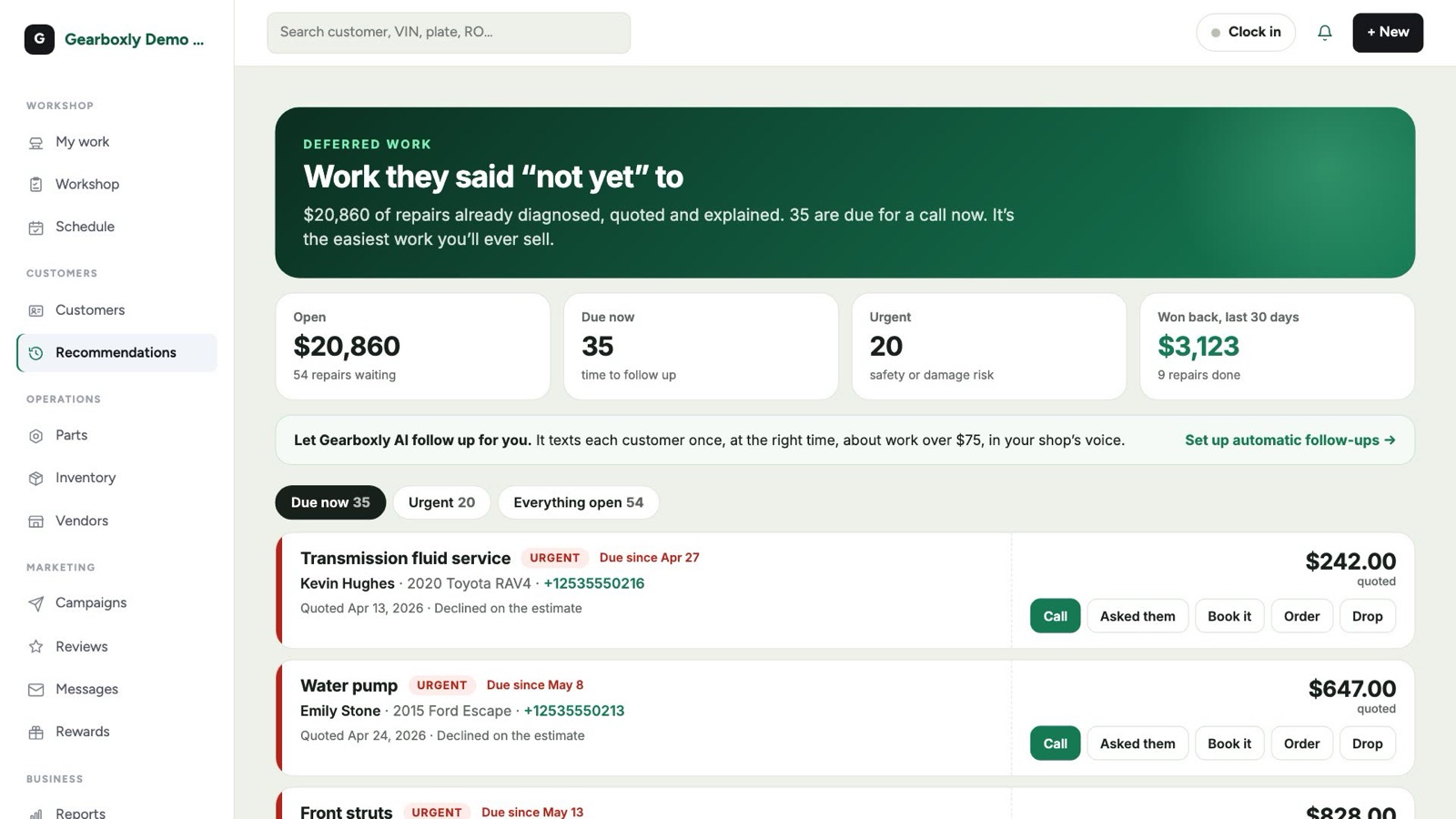
Gearboxly keeps every declined and deferred job with its price, photos and the date it was quoted, so the total is on one screen instead of buried in old tickets.
Record it properly the first time
Follow-up only works if the declined work is saved with enough detail to be useful later. “Customer declined brakes” isn't enough. Months later, nobody remembers which axle or how worn they were.
- What was found, in plain language the customer will recognize
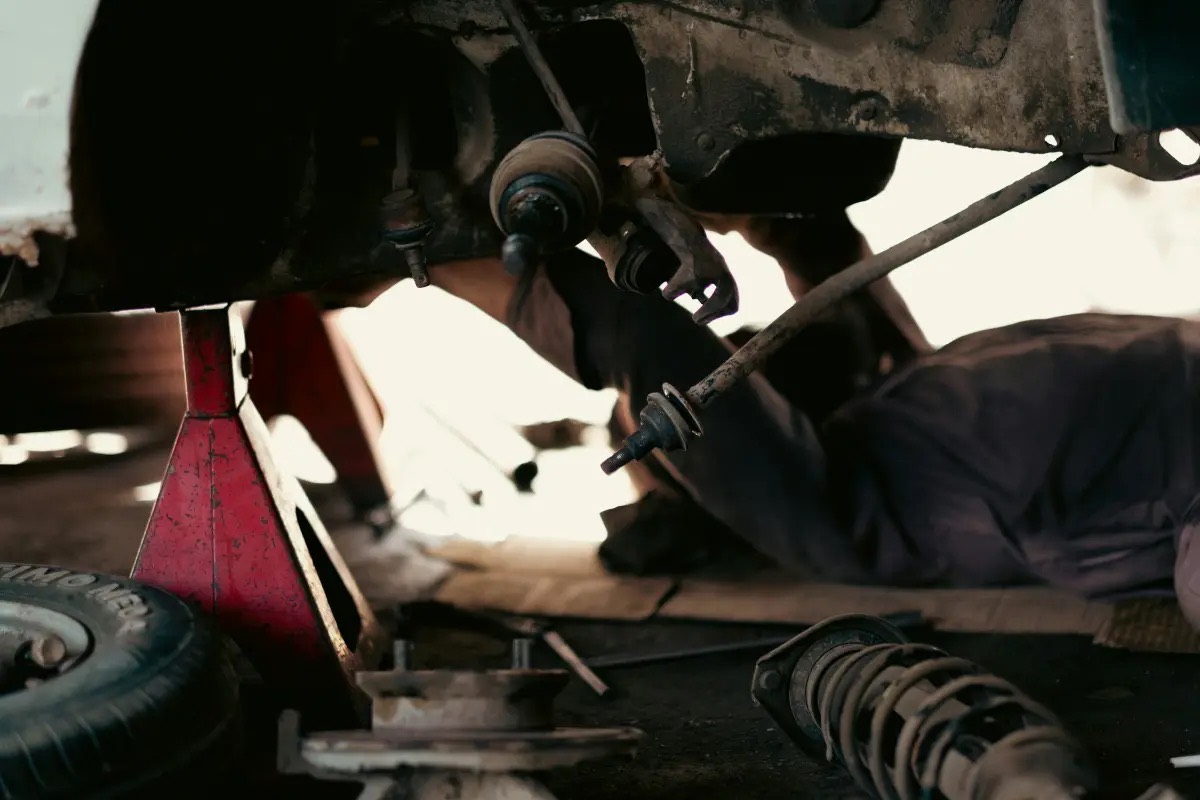
- The photo, so the customer sees their own car, not a stock picture
- The price you quoted, so there's no surprise when they call back
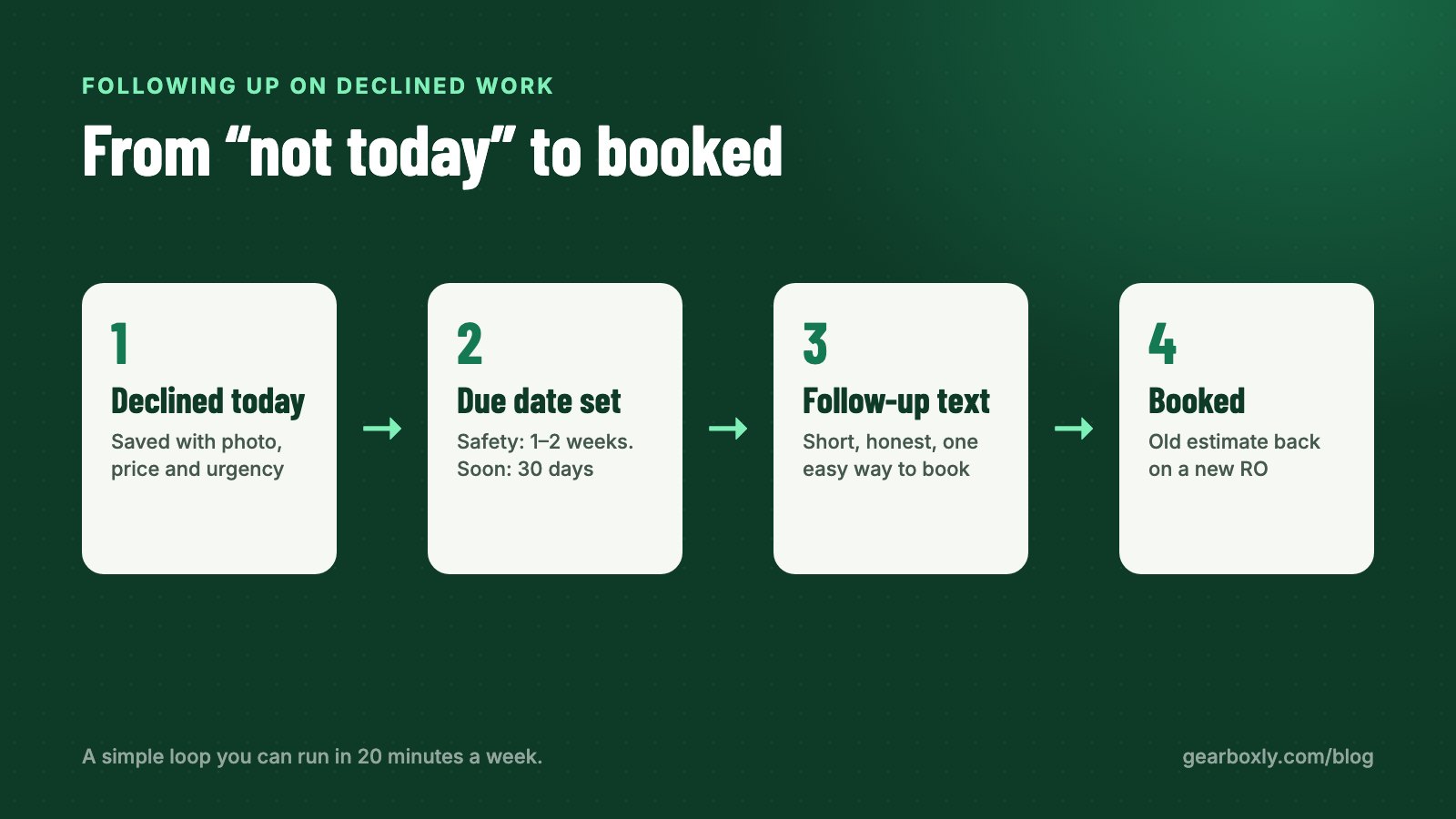
- How urgent it is: safety now, soon, or keep an eye on it
- Why they declined, if they told you (budget, timing, second opinion)
That last one matters. A customer who said “money's tight until the end of the month” should hear from you at the start of next month. A customer who wanted a second opinion might appreciate a short note with the photo again. The reason tells you when and how to follow up.
Follow up when it's due, not randomly
Brakes at 3mm are due sooner than a cabin filter. Sort declined work by urgency first and by how long ago it was quoted second. Safety items get a follow-up within a couple of weeks. Maintenance items can wait for a natural reminder, like the next oil change.
A simple schedule that works for a lot of shops:
- Safety items (brakes, tires, steering, leaks near hot parts): follow up in 1–2 weeks
- Soon items (worn belts, seeping gaskets, weak battery): follow up in 30 days
- Watch items (light seepage, early wear): mention at the next visit
- Anything declined for budget: follow up around the date they mentioned
Write a message people actually read
A short, honest message works best: what was found, why it matters, and an easy way to book. Skip the sales language. Customers can tell the difference between a reminder and a pitch.
Something like: “Hi, this is the shop. When your Camry was in on the 12th, we found the front brake pads were getting low. Here's the photo. Want us to get you in this week? Just reply to this text.” That's it. It's specific, it's about their car, and replying is easy.
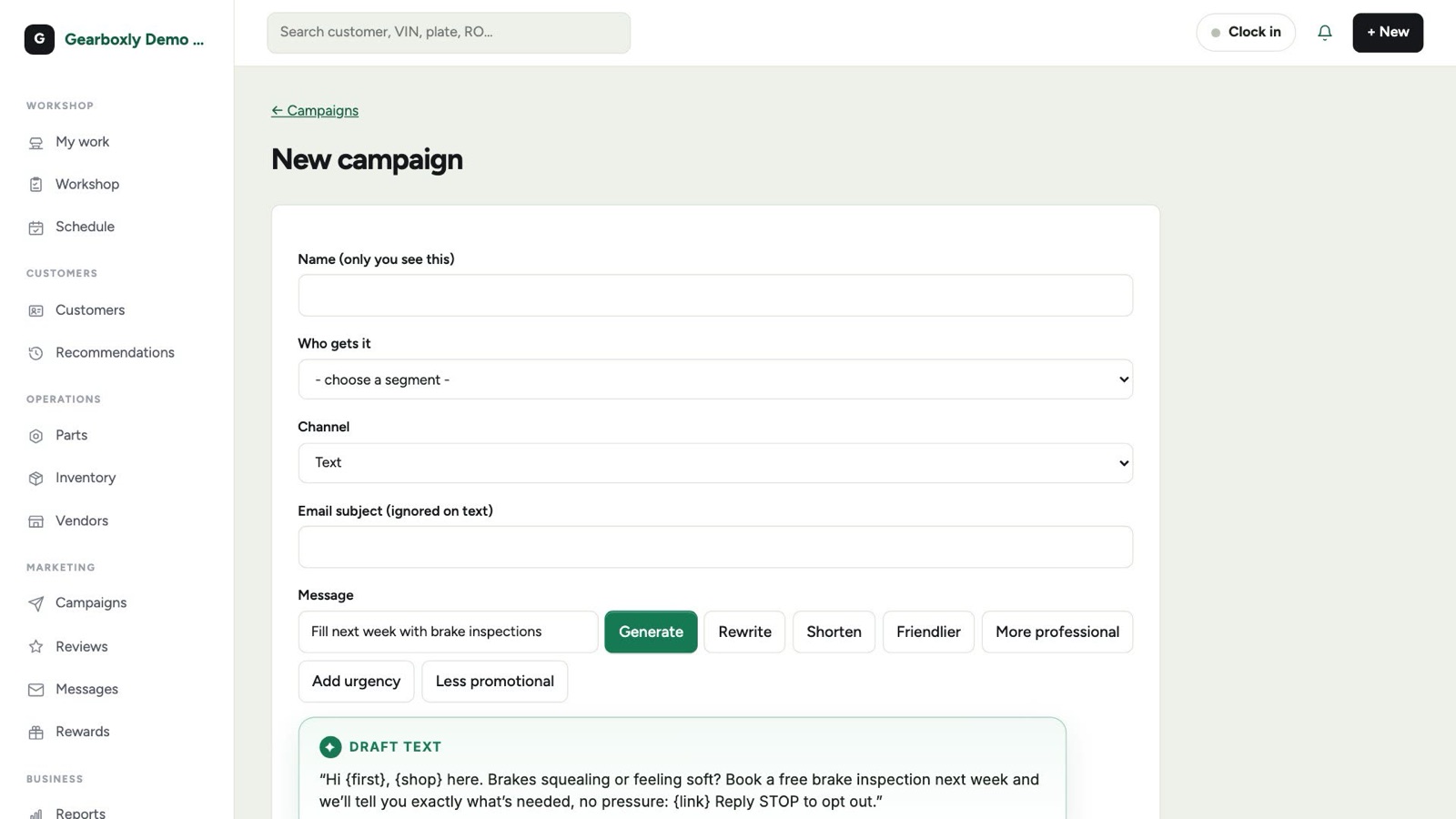
Gearboxly can write these follow-ups for you with AI, based on the actual declined job, and send them as a campaign to the customers who fit. Replies come back into the shop's two-way texting inbox, so whoever is at the counter can answer and book the car.
Tip: Always include the photo if you have it. A picture of their own worn part does more than any wording.
Make yes easy
When the customer is ready, the old estimate should still be there. One tap to bring it back onto a new repair order, with the original findings and photos, beats starting over. Re-check the car when it comes in, of course, since things can change in a few months, but don't make the customer or the writer rebuild the whole job from scratch.
It also helps to re-send the estimate by text so the customer can approve on their phone. People who declined in person often approve later from the couch, when they've had time to think and check their budget.
What not to do
Follow-up goes wrong in a few predictable ways, and each one costs you trust you worked hard to earn.
- Don't send the same generic blast to every customer. Mention their car and the actual job.
- Don't inflate urgency to get a booking. If it's a watch item, say so.
- Don't follow up every few days. One or two well-timed messages beat a string of reminders.
- Don't quote a different price than last time without explaining why. Parts prices change; say so up front.
- Don't let a reply sit. If a customer answers your text, get back to them the same day.
The goal is for the customer to feel like the shop remembered them, not like they got added to a list. That feeling is what brings them back, for this job and the next one.
Bring it up at every visit
Not all follow-up is a text. When a car comes in for an oil change, the writer should see its open declined work right on the repair order. A quick “last time we noted your rear tires were getting low, want us to take another look?” is natural and rarely feels pushy, because the customer remembers the conversation.
Build the habit
The shops that win back declined work don't have a secret. They just do it every week. Put a 20-minute block on the calendar, same day and time, and treat it like any other job in the shop.
- Open the declined work list, sorted by urgency
- Send follow-ups for everything that's due
- Call the handful of high-value or safety items personally
- Mark anything that's clearly dead (car sold, customer moved) so it stops showing up
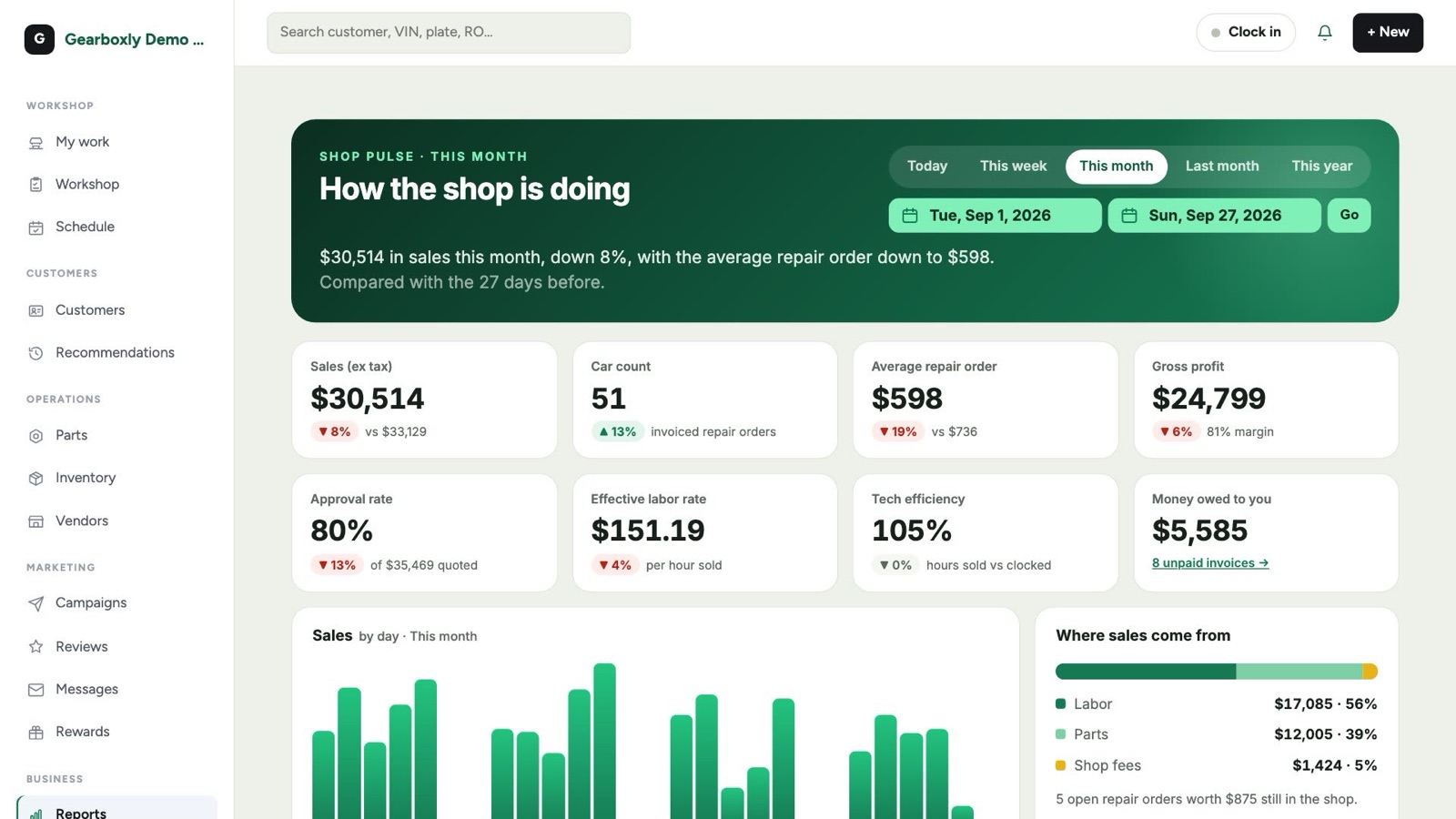
Gearboxly's Shop Pulse reports show how much declined work you have open and how much came back, so you can see whether the habit is paying off instead of guessing.
The short version
Every declined job is a job you've already done half the work for. Save it with the photo, price and urgency. Follow up when it's actually due, with a short honest message. Make coming back one tap. Do it every week. It's some of the easiest revenue in the shop.
Tip: Keep a weekly 20-minute slot for deferred-work follow-up. Consistency matters more than the perfect message.
Try it on your own repair orders
14-day free trial. No credit card. No contract, cancel anytime.
Start free trial